

Is Hiring a Personal Trainer Really Worth the Money?
Expert Advice in Islington
Most people do not ask this question because they do not care about their health.
They ask it because personal training is an investment.
And like any investment, the real question is not simply:
“How much does it cost?”
The better question is:
“What am I actually getting for that money?”
Because if personal training is just someone standing next to you counting reps, then no, it probably is not worth it.
But if personal training means expert assessment, personalised programming, better technique, safer progression, injury prevention, accountability, confidence, and a structured path towards long-term strength, then yes, it can be one of the best investments you make in your health.
At PT Workspace, we have spent over 15 years helping people train properly. Beginners. Busy professionals. People returning from injury. People who have lost confidence in the gym. People who have trained for years but stopped progressing.
And the biggest thing we have learned is this:
Most people do not need more random workouts. They need the right plan, at the right level, delivered in the right way.
The Difference Between Training Alone and Training With a Personal Trainer
When someone trains alone, they often have to piece things together from YouTube, apps, Instagram posts, or whatever programme seems popular at the time.
That can be useful for finding exercises.
But it does not mean those exercises are right for your body, your goals, your training history, your injury background, or your current level.
A good personal trainer does not just ask:
“What exercise shall we do today?”
They ask:
“What does this person actually need?”
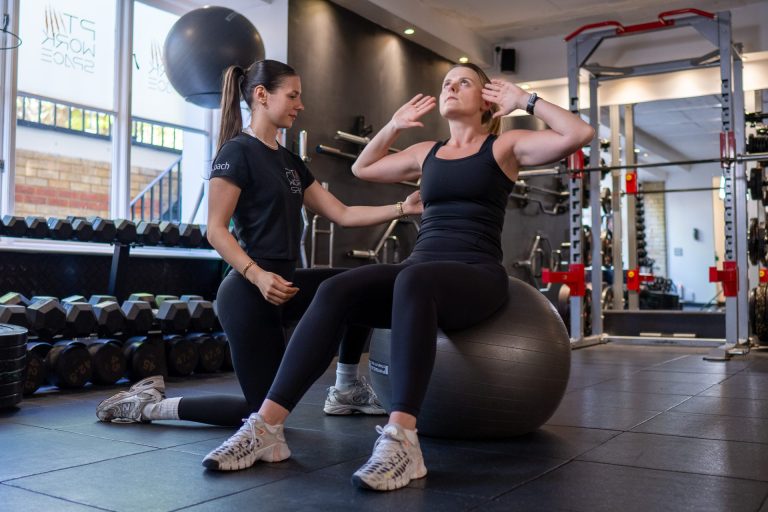
If someone wants to get stronger, for example, the exercise selection should match their level. That might mean starting with bodyweight movements, progressing into dumbbells, then eventually working towards barbells or more advanced strength training.
The point is not to throw someone into hard exercises too soon.
The point is to build a roadmap.
At PT Workspace, each exercise is chosen for a reason. It should connect to the client’s goal, current ability, technique level, and progression pathway.
That matters because strength training, like within oue studio in Islington is not just about effort.
It is about applying effort in the right direction.
What Are You Really Paying For?
A lot of people think personal training means paying someone to show them how to exercise.
But that is only one part of it.
What you are really paying for is:
- Expert assessment
- Personalised programming
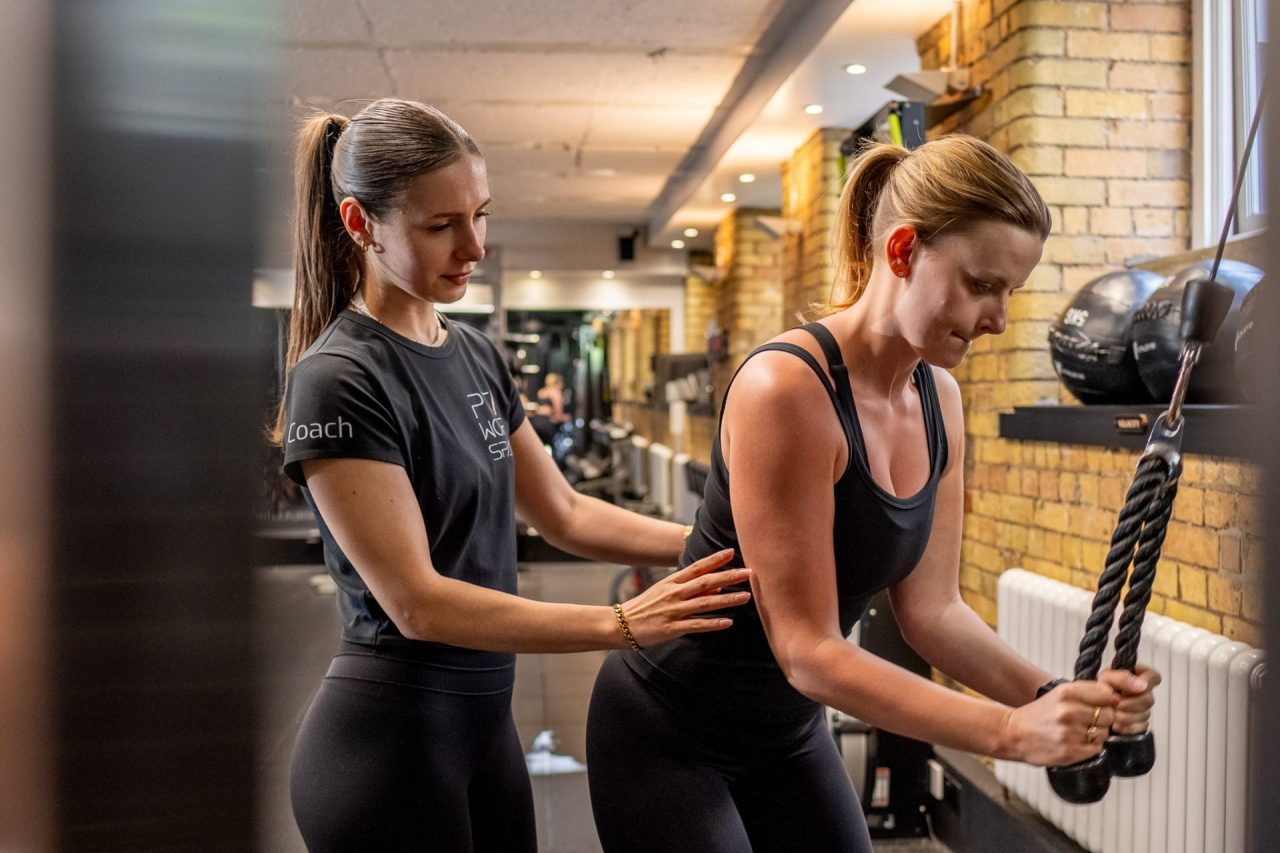
- Technique coaching
- Injury prevention
- Progress tracking
- Accountability
- Recovery adjustments
- Confidence
- Long-term structure
A good trainer should not just give you a session.
They should give you a system.
That includes the workouts you do with them, the programme you follow outside the sessions, regular check-ins, and the milestones that help you see progress over time.
Those milestones matter.
Because motivation comes and goes. Some weeks you feel strong. Some weeks you feel tired, busy, stressed, or frustrated. A good trainer helps you stay connected to the process, even on the days when you would normally stop.
That support is often underestimated.
Training is physical, but consistency is psychological.
Why Cookie-Cutter Programmes Fall Short

One of the biggest problems in the fitness industry is the copy-and-paste programme.
The “cookie-cutter” plan.
Everyone gets the same exercises. Everyone follows the same structure. Everyone is pushed through the same progression.
But people are not the same.
A beginner should not be trained like someone with 10 years of lifting experience. Someone with shoulder pain should not be pushed into the same pressing exercises as someone with healthy joints. Someone returning after injury needs a different route from someone chasing a new personal best.
This is where personal training becomes valuable.
A good trainer knows how to regress and progress exercises.
They know when to push and when to pull back.
They know how to spot when someone is doing too much volume, recovering poorly, or developing joint pain.
That is not just coaching.
That is risk management.
And after 15 years of working with clients, one of the clearest lessons is this:
The right exercise at the right time can move someone forward. The wrong exercise too early can set them back for months.
Case Study: Returning From Frozen Shoulder
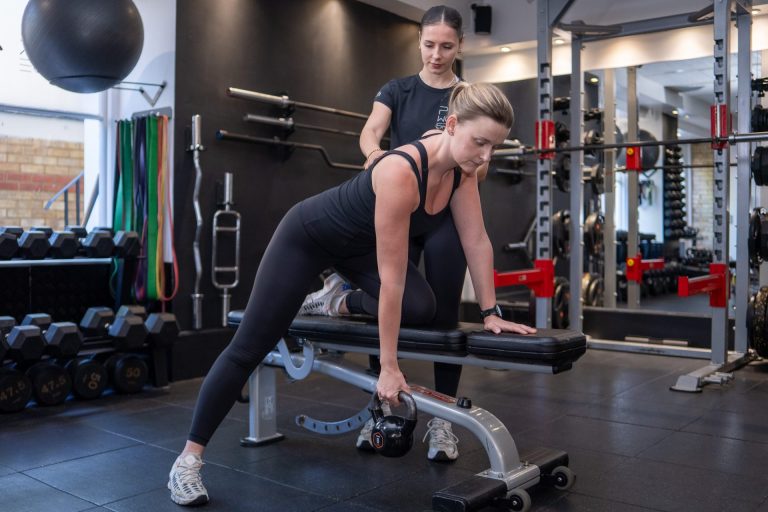
A recent example is a client called Alice.
Alice had developed a rotator cuff issue, commonly described as frozen shoulder, following menopause. For a period of time, she was unable to train properly with the dumbbells and barbells she had previously used.
The focus was not to rush her back into everything.
The focus was to strengthen the shoulder joint properly, choose the right exercises, and rebuild confidence in the movement.
By adapting the programme around her shoulder, we were able to help her return to training safely and efficiently.
She is now back using dumbbells and barbells correctly.
That is exactly where personal training makes a difference.
It is not just about making someone sweat.
It is about knowing what to do when the plan needs adjusting.
Because real training is not linear. Bodies change. Joints get irritated. Life gets busy. Energy drops. Injuries happen.
A good trainer does not just follow a plan blindly.
They adapt the plan so the client keeps progressing.
Personal Training Is About Efficiency
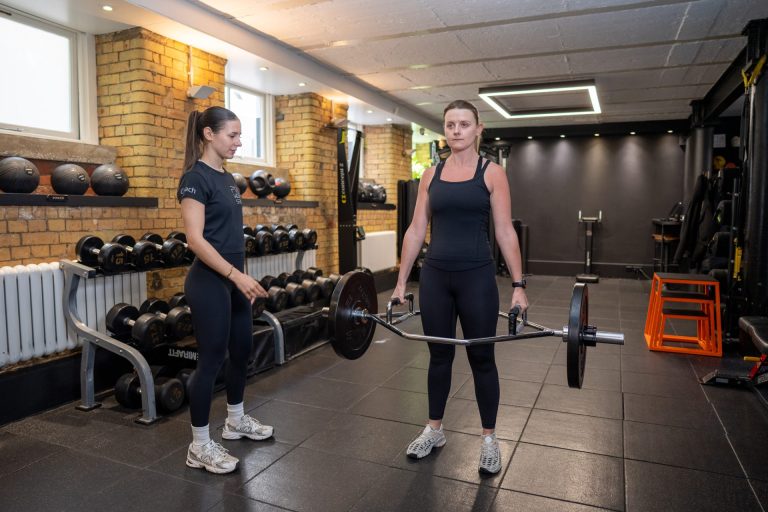
For busy professionals, personal training is often worth it because time is limited.
If you only have two or three hours a week to train, you cannot afford to waste those sessions guessing.
You need to know:
What exercises to do
How hard to train
How to progress
How to avoid injury
How to balance strength, mobility, stability, and recovery
How to make the most of the time you have
This is where random training falls apart.
A lot of people go into the gym and pick exercises based on what they saw online, what machine is free, or what they feel like doing that day.
That might keep you active.
But it does not always build a result.
A structured programme gives each session a purpose.
You know what you are training. You know why you are training it. You know how it connects to the bigger goal.
That is the difference between exercising and training.
Exercise is movement.
Training is a plan.
Why Technique Is More Than Watching a Video
You can learn a lot from videos.
But watching technique and applying technique to your own body are two very different things.
A video can show you what a squat, deadlift, row, or press should look like.
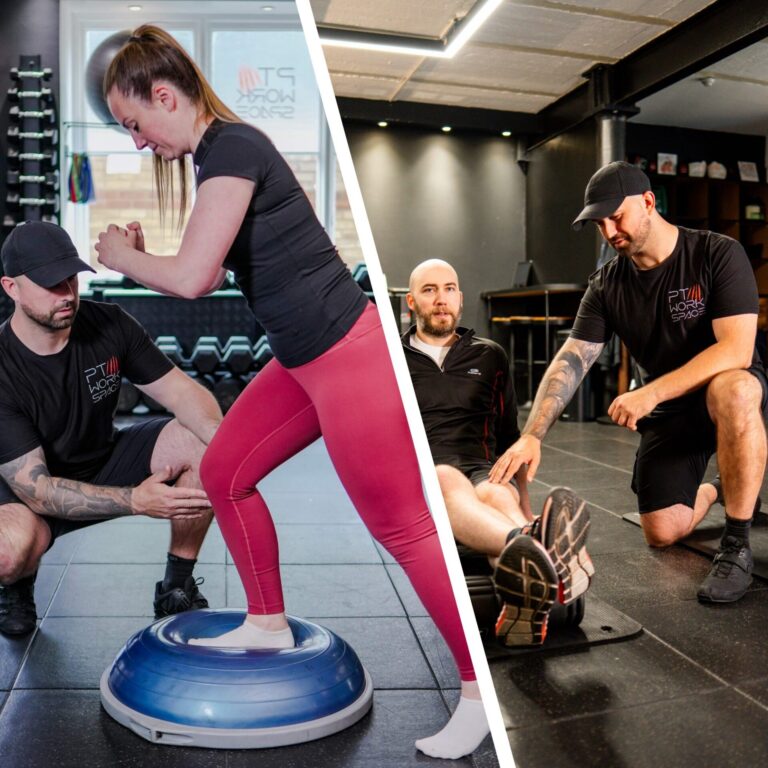
But it cannot always tell you what your body is doing in real time.
It cannot see if your shoulder blade is moving incorrectly.
It cannot see if your lower back is compensating.
It cannot adjust your grip, foot position, ribcage, tempo, breathing, or range of motion.
And often, it is those small adjustments that make the difference.
Sometimes a tiny change in scapula position can make a shoulder exercise feel completely different. Sometimes a small adjustment to the lower back or pelvis can reduce discomfort and improve strength instantly.
That is where coaching becomes valuable.
Not because people are incapable of learning alone.
But because it is very hard to coach yourself while you are moving.
The Problem With Apps, YouTube and Social Media Fitness Advice
You Need A Strength Training Pathway..



Apps, YouTube workouts, and online programmes can be useful.
They can help you find exercise ideas. They can help you learn basic movements. They can give you inspiration.
But they also have limitations.
The biggest problem is that online fitness content is usually general.
Your body is specific.
A fitness influencer may be showing what works for them. They may have a completely different training history, body type, injury background, lifestyle, and recovery capacity.
That does not mean the advice is right for you.
There is also a growing concern around the quality of fitness information online. A 2024 study of TikTok “fitspiration” videos reported that 60% of the videos analysed presented incorrect or harmful information, while a broader review of physical activity misinformation found social media fitness content can spread inaccurate or misleading exercise and health claims.
That does not mean all online content is bad.
But it does mean you need to be careful.
Popularity is not the same as expertise.
A big following does not mean someone understands programming, injury prevention, biomechanics, progression, recovery, or how to work with different bodies.
At PT Workspace, many of our trainers have degrees, long-term professional experience, or have been working in the industry for many years. That matters because coaching real people is very different from simply posting workouts online.
Book Free Strength PT Experience
Personal Trainer Tips & Workouts
What Results Should You Expect?
The first 3 months
The first phase is about building the foundation.
This means learning the correct technique, strengthening joints and ligaments, improving movement quality, and building confidence with the main exercises.
For beginners especially, this stage is crucial.
It is where you learn how to train safely.
After 3 to 6 months
Once the foundation is stronger, most people start seeing more visible changes.
Technique improves. The nervous system becomes more efficient. Exercises feel more natural. Muscles begin to respond more noticeably.
This is often where people start to feel stronger, move better, and see improvements in body composition.
After 3 to 6 months
By the end of a year, the changes can be much more substantial.
You can start pushing strength more confidently because the body has been prepared properly. Muscle has been built. Joints are stronger. Movement patterns are cleaner.
This is where many clients notice the deeper benefits:
Better joint health
More lean muscle
More strength
More confidence
Better daily movement
Less fear around training
A stronger body that feels more capable
The biggest change is not just how someone looks.
It is how they feel in their own body.
When Is Personal Training Definitely Worth It?
Personal training is especially worth it if you are..
Perfect if you are.
- New to the gym
- Returning after injury
- Unsure how to structure your workouts
- Lacking confidence with weights
- Busy and need efficient sessions
- Training but not progressing
- Worried about technique
- Struggling with consistency
- Overwhelmed by online advice
- Wanting a long-term strength plan
It is also worth it if you have spent years starting and stopping.
Because the cost of poor training is not just financial.
It is time.
You can spend months doing the wrong programme, not progressing, getting frustrated, or even picking up injuries.
That is expensive in a different way.
The Supplement Comparison
A lot of people will spend hundreds of pounds a month on supplements, shakes, powders, gadgets, or quick fixes.
But none of those things will replace a well-designed programme.
Supplements can support training.
They cannot replace training.
They cannot teach you technique. They cannot assess your movement. They cannot adjust your programme when your shoulder hurts. They cannot tell you when to push harder or when to recover.
If someone is serious about their health, strength, and long-term progress, investing in proper coaching often delivers far more value than spending money on products that promise results without structure.
So, Is Hiring a Personal Trainer Really Worth the Money?
Yes.
But only if it is good personal training.
If a trainer is just counting reps, making every session random, copying and pasting programmes, or pushing you through exercises that are not right for your level, then the value is limited.
But if the trainer assesses you properly, builds a personalised plan, teaches technique, tracks progress, adapts around your body, helps prevent injury, and supports you mentally through the process, then it is absolutely worth it.
Because personal training is not just paying for workouts.
It is paying for clarity.
It is paying for confidence.
It is paying for expertise.
It is paying for fewer mistakes.
It is paying for a stronger, healthier body over the long term.
And when you think about it that way, personal training is not just a fitness expense.
It is an investment in your future health.
Looking for Personal Training in Islington?
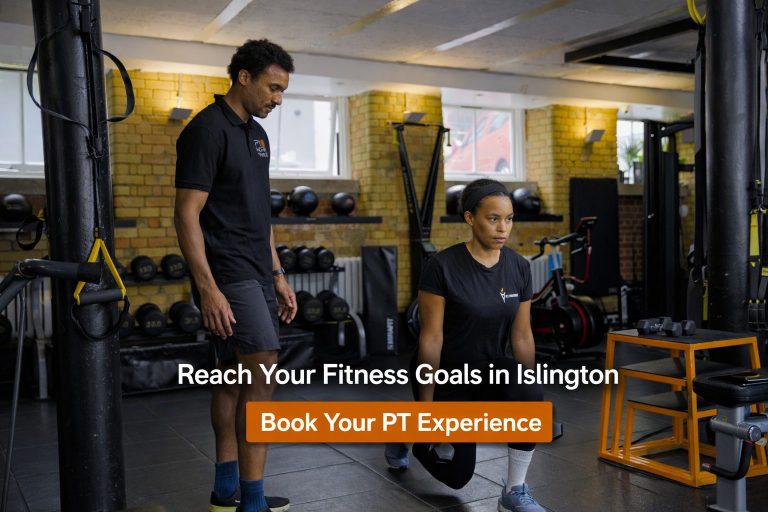
At PT Workspace, we help clients in Islington and Angel build strength safely through personalised coaching, structured programming and expert technique support. Whether you are new to the gym, returning from injury, or looking for a more efficient way to train, personal training can give you the structure and confidence to make real progress.
Interested in personal training? Book a consultation with PT Workspace and find out how a personalised strength programme could help you train smarter, safer and more effectively. Click 👉 Personal Training in Islington
Frequent Questions
Get Answers Now
Yes. Personal training is especially valuable for beginners because it helps you learn correct technique, follow a structured programme, and avoid common mistakes that can lead to injury or wasted time.
A personal trainer helps by giving you a personalised plan, correcting your technique, tracking your progress, and adapting your training when needed. Training alone can work, but it is much harder to know whether you are choosing the right exercises or progressing safely.
Look for a trainer who assesses your current level, builds a personalised programme, explains technique clearly, tracks progress, and adapts the plan around your body, recovery, and goals.
Most people start by building a foundation in the first few months. After 3 to 6 months, strength, technique, and muscle development usually improve. Over 6 to 12 months, clients often see more noticeable changes in strength, confidence, joint health, and body composition.